
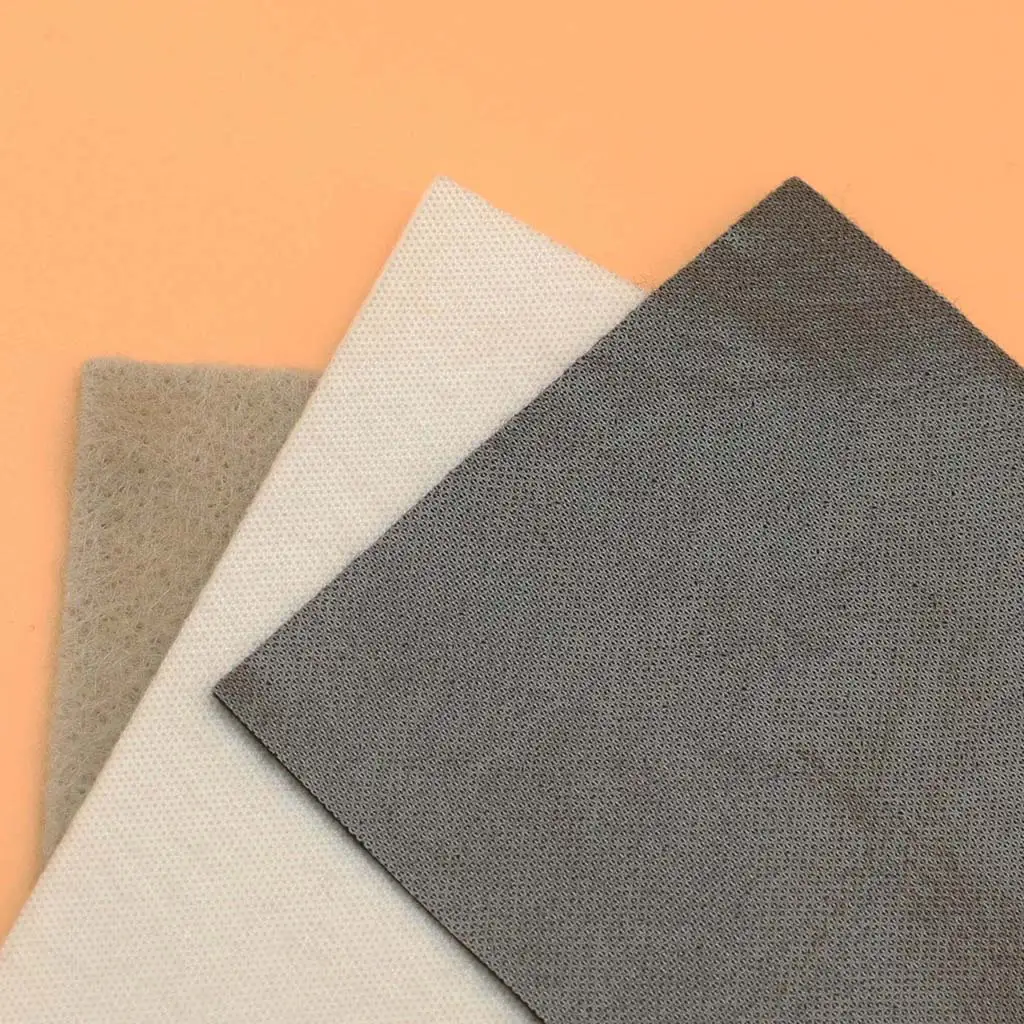
Charcoal Wound Dressing: Benefits and Applications
Charcoal wound dressings have gained significant attention in the field of wound care due to their exceptional properties and versatility. These dressings, infused with activated charcoal, are designed to manage wound exudate, eliminate odors, and promote healing in a wide range of wound types.
This blog delves into the benefits, types, and applications of charcoal wound dressings, offering insights into their role in modern healthcare.
1. What Is Charcoal Wound Dressing?
Charcoal wound dressings are specialized medical products that integrate activated charcoal into a fabric or matrix. Activated charcoal is a highly porous material that has an excellent capacity for:
Absorbing toxins and bacteria
Managing moisture
Neutralizing wound odors
These dressings are often combined with other materials such as silver, alginate, or hydrocolloids to enhance their functionality.
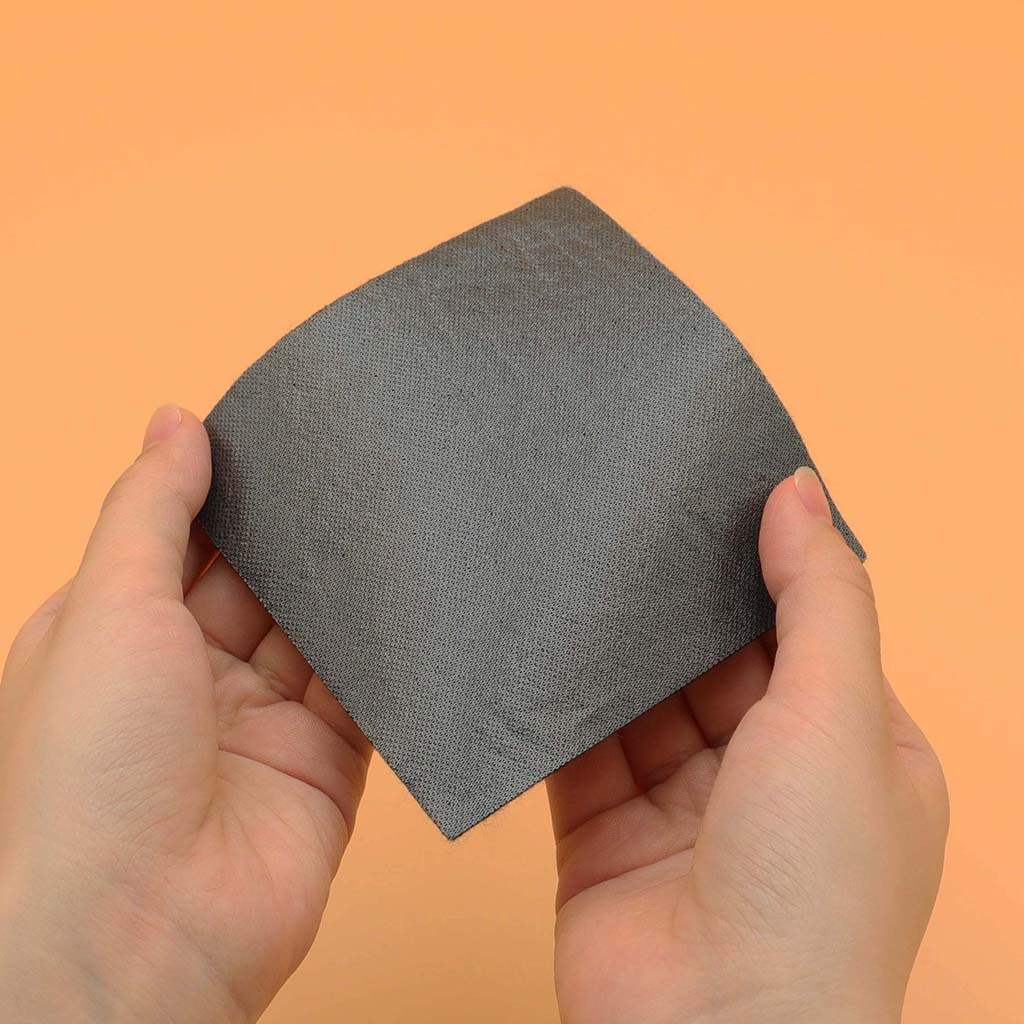
2. Key Benefits of Charcoal Wound Dressing
2.1 Odor Control
One of the primary uses of charcoal in wound care is its ability to eliminate unpleasant odors.
Charcoal absorbs volatile molecules responsible for odors, creating a more comfortable environment for the patient and caregivers.
This is particularly beneficial for chronic wounds and those prone to infection.
2.2 Moisture Management
Maintaining the right level of moisture is crucial for wound healing.
Charcoal dressings can absorb excess exudate, preventing maceration of the surrounding skin.
They also retain a moist environment within the wound, supporting cellular regeneration.
2.3 Bacterial Management
While not inherently antimicrobial, many charcoal dressings are combined with agents like silver to combat bacterial infections.
This dual functionality helps manage biofilms and prevent the spread of infection.
2.4 Promotes Healing
By effectively managing exudate and preventing contamination, charcoal dressings create an optimal environment for wound healing.
They reduce inflammation and promote tissue repair.
2.5 Non-Adherent Design
Most charcoal dressings are designed to be non-adherent, minimizing pain and trauma during dressing changes.
3. Types of Charcoal Wound Dressings
3.1 Charcoal-Only Dressings
These are basic dressings that consist primarily of activated charcoal. They focus on:
Odor management
Absorption of toxins and moisture
3.2 Charcoal with Antimicrobial Agents
Infused with agents like silver or iodine, these dressings:
Provide antimicrobial protection
Are suitable for wounds at risk of infection
3.3 Charcoal with Absorbent Layers
These multi-layered dressings combine charcoal with:
Alginate for enhanced absorption
Foam for cushioning and moisture retention
3.4 Charcoal-Integrated Hydrocolloids
These dressings merge charcoal with hydrocolloid properties, offering:
Long-term adherence
Advanced exudate management
4. Applications of Charcoal Wound Dressings
Charcoal wound dressings are suitable for various types of wounds, including:
4.1 Chronic Wounds
Diabetic ulcers: Manage exudate, control odor, and reduce infection risks.
Pressure ulcers: Promote healing in areas with prolonged pressure.
4.2 Surgical Wounds
Post-operative wounds benefit from the odor control and contamination prevention offered by charcoal.
4.3 Infected Wounds
The combination of charcoal and antimicrobial agents makes these dressings effective for infected or high-risk wounds.
4.4 Burns
Charcoal dressings can manage exudate from burns and prevent microbial contamination.
4.5 Traumatic Wounds
Effective for deep or heavily exudating wounds caused by accidents.
5. When to Use Charcoal Wound Dressings
Suitable Scenarios:
Wounds with moderate to heavy exudate.
Cases where odor management is a priority.
Chronic wounds that require long-term care.
When to Avoid:
Dry wounds, as charcoal dressings may over-dry the area.
Wounds with minimal exudate, where simpler dressings might suffice.
6. How to Use Charcoal Wound Dressings
Step 1: Clean the Wound
Start by cleaning the wound with a sterile saline solution to remove debris and bacteria.
Step 2: Apply the Dressing
Cut the dressing to fit the wound size, ensuring it covers the entire affected area.
Step 3: Secure the Dressing
Use a secondary dressing or bandage to hold the charcoal dressing in place.
Step 4: Monitor and Change
Regularly inspect the wound and change the dressing as required, usually every 2-3 days or when it becomes saturated.
7. Advantages Over Traditional Dressings
Comparison with Foam Dressings
Charcoal provides better odor management and toxin absorption.
Comparison with Gauze
Gauze lacks the moisture management and antimicrobial options available with charcoal dressings.
Comparison with Hydrocolloids
While hydrocolloids retain moisture, they do not offer the same odor control as charcoal.
8. Future Trends in Charcoal Wound Care
Nanotechnology: Enhancing the absorptive properties of charcoal with nano-scale engineering.
Biodegradable Dressings: Developing eco-friendly options for sustainable wound care.
Personalized Care: Customizable charcoal dressings tailored to specific wound profiles.
9. Conclusion
Charcoal wound dressings are an innovative solution for managing complex wounds. Their ability to control odor, manage exudate, and promote healing makes them an essential tool in modern wound care.
When selecting a charcoal dressing, consider the wound type, exudate level, and any additional requirements, such as antimicrobial protection.
By incorporating the right charcoal dressing into wound care protocols, patients can experience faster healing, greater comfort, and improved quality of life.