
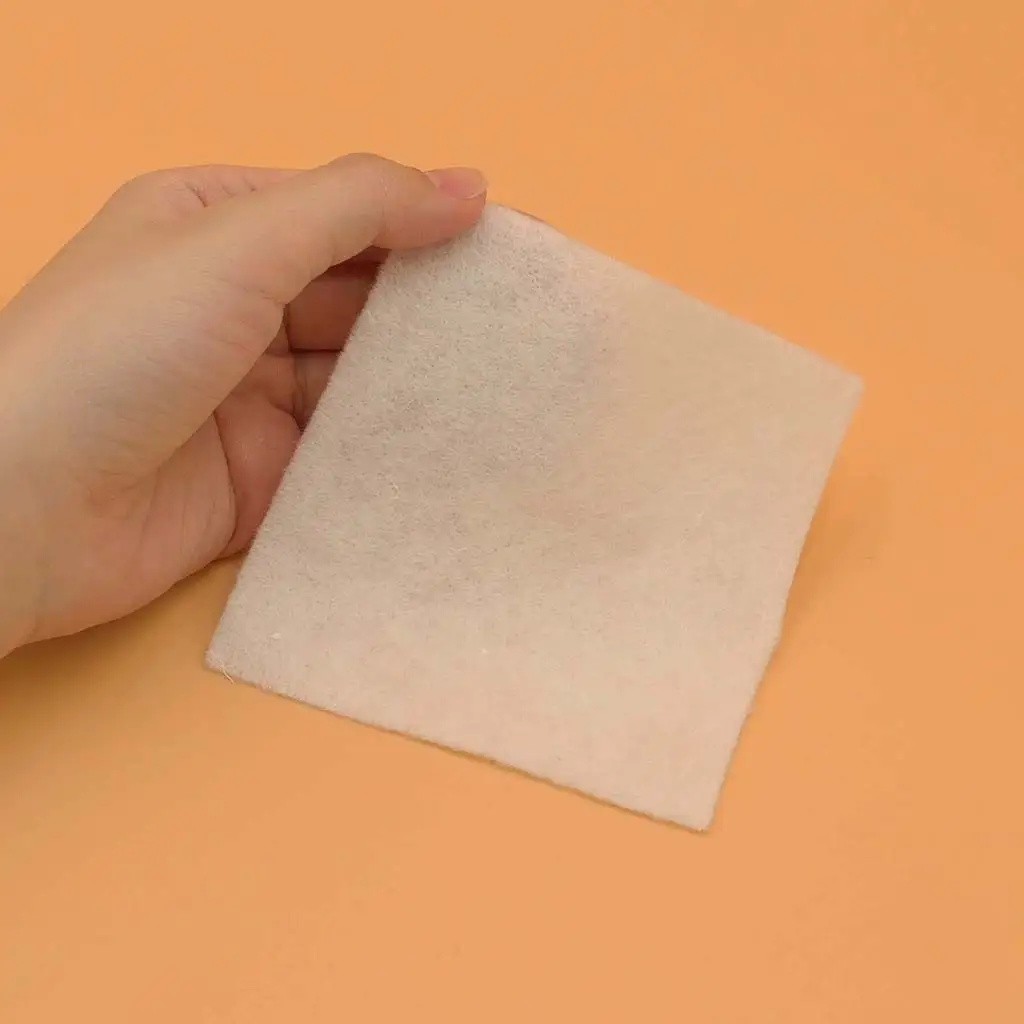
Exploring Large Wound Dressing Types: A Comprehensive Guide to Healing
Wounds are a natural part of life, but not all wounds are the same. Some are small and heal quickly with little attention, while others are large and require special care to ensure they heal properly. When it comes to large wounds, the choice of dressing can make all the difference. Understanding the various large wound dressing types available is crucial to promote healing, prevent infections, and reduce the chances of scarring.
In this blog post, we'll dive deep into the different large wound dressing types, exploring their uses, benefits, and the specific types of wounds they're best suited for. We'll also discuss tips for choosing the right dressing for your needs, as well as how to apply them effectively. Whether you're a healthcare professional or someone caring for a loved one at home, this guide will provide valuable insights into wound care and dressing choices.
Why Wound Dressings Are Important
Before diving into the specifics of large wound dressing types, it's essential to understand why wound dressings are necessary in the first place. Large wounds, whether caused by surgery, trauma, burns, or pressure ulcers, can be vulnerable to infections. Proper wound care is crucial to minimize these risks.
A good wound dressing does the following:
Protects the wound from bacteria and contaminants
Promotes a moist healing environment, which speeds up recovery
Helps manage exudate (wound fluid) to prevent maceration of the skin around the wound
Can reduce pain and discomfort for the patient
Minimizes the risk of scarring by encouraging healthy tissue growth
Now, let's explore some common large wound dressing types and their unique benefits.
1. Hydrocolloid Dressings
Hydrocolloid dressings are one of the most popular types of dressings for large wounds. Made from a combination of gel-forming agents like carboxymethylcellulose, pectin, and gelatin, these dressings form a gel-like material when they come into contact with wound exudate. This gel helps create a moist environment, which is crucial for promoting wound healing.
Benefits:
Creates a barrier that keeps out bacteria and dirt
Encourages autolytic debridement, a process where the body naturally breaks down dead tissue
Easy to apply and remove
Can be left on for several days, reducing the need for frequent dressing changes
Best for:
Hydrocolloid dressings are ideal for large wounds that are not heavily exuding, such as shallow pressure ulcers, burns, and surgical incisions. They're also great for wounds in areas that experience friction since the dressing stays in place well.
2. Foam Dressings
Foam dressings are soft, absorbent, and highly effective for large wounds that produce a lot of exudate. They are typically made from polyurethane and come in a variety of thicknesses and sizes. The foam absorbs excess wound fluid, keeping the wound moist but not overly wet, which is essential for healing.
Benefits:
Highly absorbent, making them suitable for wounds with moderate to heavy exudate
Cushions the wound, providing comfort and protection against further trauma
Allows for longer wear time due to its absorbency
Some foam dressings are waterproof, enabling patients to shower without changing the dressing
Best for:
Foam dressings are particularly effective for large wounds with moderate to high levels of exudate, such as venous leg ulcers, pressure ulcers, and large surgical wounds. They are also useful for painful wounds as they provide cushioning that can reduce discomfort.
3. Hydrogel Dressings
Hydrogel dressings consist primarily of water or glycerin-based substances, and they are designed to add moisture to dry or necrotic wounds. These dressings are especially effective in keeping the wound bed moist, which can help accelerate the healing process.
Benefits:
Provides moisture to dry wounds, helping with the healing of necrotic tissue
Soothes pain, as the gel has a cooling effect
Can promote autolytic debridement, encouraging the removal of dead or damaged tissue
Best for:
Hydrogel dressings are best suited for dry wounds, burns, radiation-damaged skin, or wounds with necrotic tissue. They are not recommended for wounds with heavy exudate as they can become oversaturated quickly.
4. Alginate Dressings
Alginate dressings are made from seaweed and are highly absorbent, making them a good choice for large wounds with significant exudate. When in contact with wound fluid, alginate dressings turn into a gel-like substance that promotes healing by maintaining a moist wound environment.
Benefits:
Highly absorbent, capable of handling large amounts of exudate
Can be used in deep wounds, as alginate dressings can conform to the wound bed
Encourages faster healing by creating a moist wound environment
Best for:
Alginate dressings are best for large, deep wounds that produce heavy amounts of exudate, such as pressure ulcers, diabetic ulcers, and venous leg ulcers. They are also helpful for wounds that are bleeding since alginate dressings have some hemostatic properties.
5. Collagen Dressings
Collagen dressings are a more advanced type of dressing that incorporates collagen, a protein that plays a vital role in wound healing. These dressings help stimulate the body's natural wound healing process by encouraging the growth of new tissue.
Benefits:
Promotes the formation of new tissue by providing a collagen matrix
Helps in wounds with stalled healing or chronic wounds
Can be combined with other dressings, such as foam or hydrocolloids
Best for:
Collagen dressings are effective for large wounds that are slow to heal, such as chronic ulcers, surgical wounds, or wounds with large tissue loss. They are particularly useful when wounds are not responding to more basic dressing types.
6. Transparent Film Dressings
Transparent film dressings are thin, adhesive dressings that are impermeable to bacteria and water but allow oxygen to pass through. These dressings help protect the wound while also allowing the wound to be monitored without removing the dressing.
Benefits:
Allows easy monitoring of the wound without removing the dressing
Provides a waterproof barrier, allowing patients to bathe or shower without worrying about contamination
Keeps bacteria out while allowing oxygen to reach the wound
Best for:
Transparent film dressings are most suitable for large, superficial wounds with minimal exudate, such as abrasions, superficial burns, and surgical incisions. They are not appropriate for wounds with heavy exudate, as they are not absorbent.
7. Composite Dressings
Composite dressings combine multiple layers of different materials to offer a variety of benefits. Typically, they consist of a non-adherent layer that touches the wound, an absorbent layer to manage exudate, and an outer layer that protects the wound from bacteria and contaminants.
Benefits:
Versatile and can be used for many different types of wounds
Absorbent and protective, offering a balance between moisture control and protection from infections
Some composite dressings are designed for easier application and removal, reducing pain and discomfort
Best for:
Composite dressings are suitable for large wounds with moderate levels of exudate, such as pressure ulcers, venous ulcers, and surgical wounds. They offer versatility and can be a good option when a wound needs both absorbency and protection.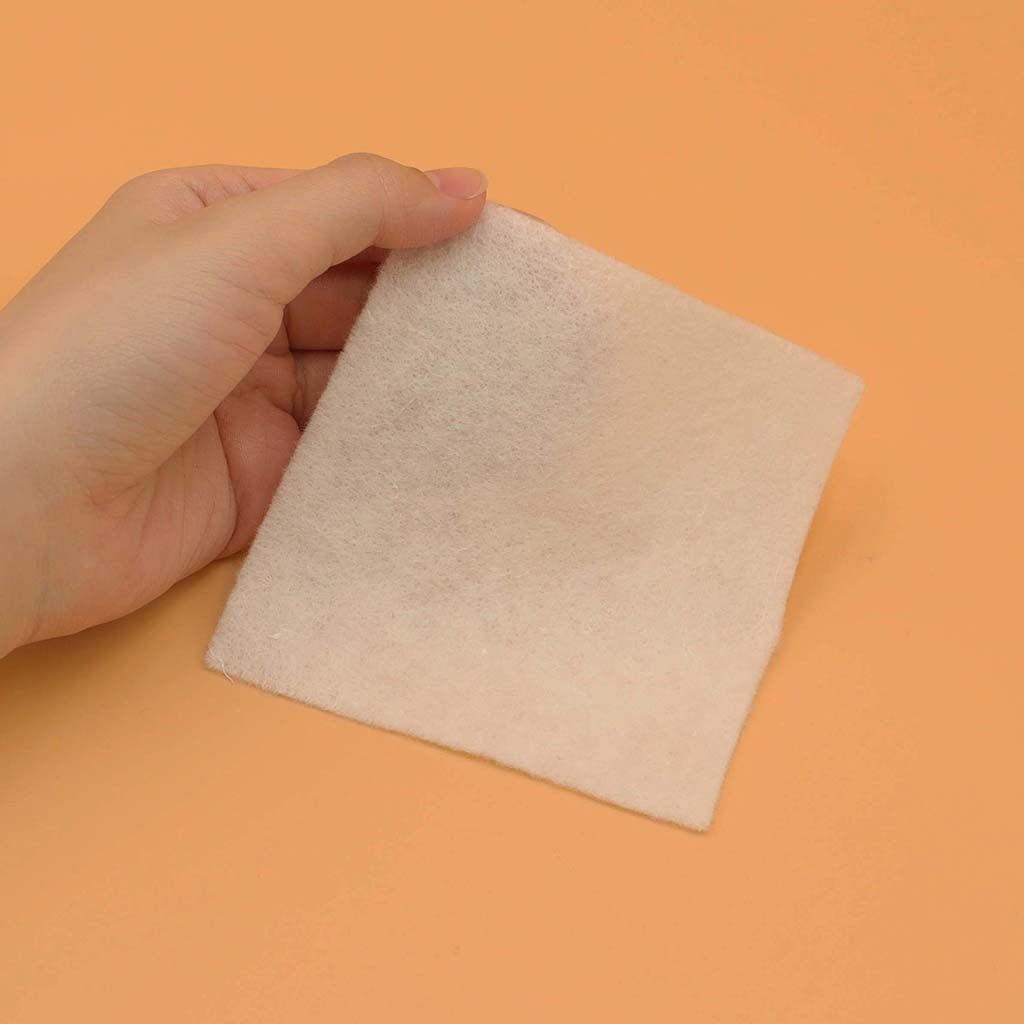
How to Choose the Right Large Wound Dressing Type
When selecting the appropriate dressing for a large wound, several factors should be considered:
Exudate Levels: If the wound is producing a lot of fluid, you'll need an absorbent dressing like foam or alginate. For dry wounds, a hydrogel or hydrocolloid dressing might be more appropriate.
Wound Depth: Deep wounds require dressings that can fill the space and conform to the wound bed, such as alginate or collagen dressings.
Infection Risk: Some dressings, like hydrocolloids, can create a barrier against bacteria, while others, like alginate, can even help stop bleeding.
Wound Location: The location of the wound might influence your choice of dressing. For instance, areas prone to friction might benefit from more adhesive or cushioning dressings like foam or hydrocolloids.
Patient Comfort: Certain dressings, such as foam or hydrogel, can offer pain relief, which is especially important for patients with large, painful wounds.
Conclusion
Large wounds require special care, and choosing the right dressing can make a significant difference in the healing process. Understanding the different large wound dressing types and their benefits is crucial in selecting the right one for each unique situation. Whether you're dealing with a highly exuding wound, a dry and painful wound, or a chronic ulcer, there's a dressing designed to promote healing and comfort. Always consult with a healthcare professional if you're unsure about the best option for a specific wound type.
By making informed decisions and using the right large wound dressing types, you can help ensure the best possible outcomes for wound healing and patient care.